We’re on top of roofs built before 1970
Even the best roofs eventually wear out. If your house was built before 1970 and hasn’t been re-roofed, it’s very likely that the time has come to look seriously at re-roofing. The simple fact is that, like everything else on a building, roofing materials age and degrade over the years.
Our weather accelerates the aging process. Throughout the year, roofs in Christchurch and the wider Canterbury region are subject to the most extreme weather conditions in New Zealand. We experience the whole spectrum from 38-degree days to nights that plunge well below zero. And if that wasn’t bad enough, we have ferocious Norwesters and corrosive sea air.
All that adds up to the fact that roofs don’t last forever.
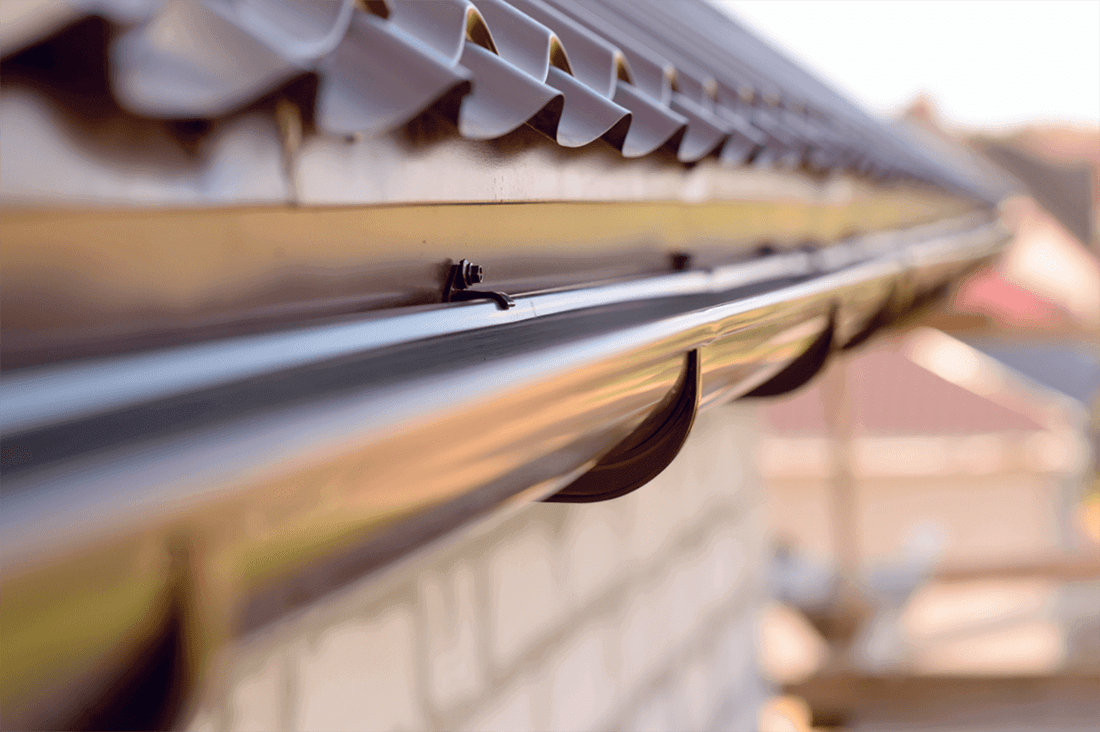
How reroofing protects your home
It might surprise you that despite all the rebuilding that’s happened after the earthquakes, over 50% of Christchurch houses are over 60 years old. As roofs age, their ability to protect your home diminishes. Fastenings loosen, protective coatings deteriorate, and steel roofs get rusty. When your roof loses its integrity, water will get inside, leading to structural damage, mould, damp walls and ceilings, and insulation issues.
Aging flashing and fastenings can also let in the wind. In a howling norwester on the Canterbury plains, unlucky residents with older houses often lose their whole roof.
For all these reasons, reroofing is actually a cheap house insurance policy, because it protects you from significantly higher costs due to water and weather damage.
Reroofing – the instant value-adding renovation
It’s amazing the difference a new roof makes to an older house. Instantly, it looks more attractive, and it implies the rest of the property is well-maintained too. That’s an especially important signal to send if you’re selling. Prospective buyers love seeing a new roof because it’s reassuring and one less cost to worry about.
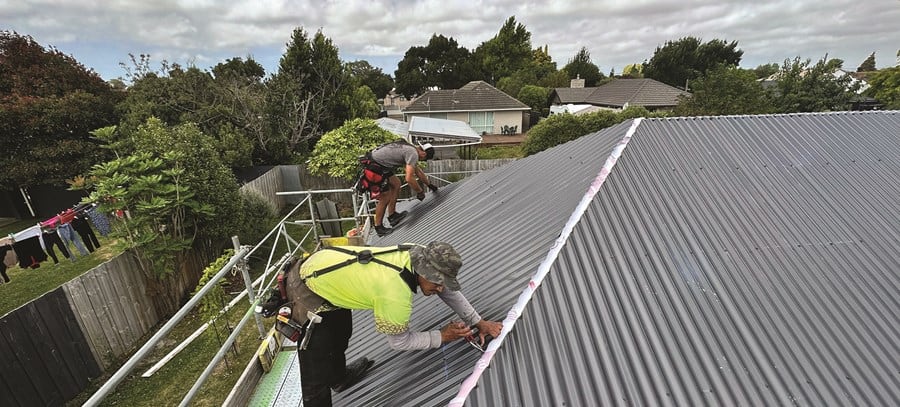
How to tell when your roof is past its use-by date
Here are some signs of an aging roof that you can see without getting up a ladder.
- Rust or corrosion on metal roofing
- Loose or missing roofing nails or fasteners
- Persistent leaks or water stains in ceilings
- Cracked, brittle or broken roofing tiles
- Sagging roof sections or uneven surfaces
- Moss or lichen growth indicates moisture retention
But you might not always be able to tell if you need a new roof by looking at it from ground level. For that reason, we recommend a professional roof inspection.
Call today, and we’ll get on top of your aging roof
To book your roof inspection, get in touch with us today – you never know, we might spot something easy to fix now and could save you thousands in the long run.