How common Canterbury roofing materials stand up to our extreme climate.
Did you know that despite the huge amount of post-earthquake rebuilding that’s happened in Christchurch, around half of all Christchurch homes are older than 60 years? That means a large number of their roofs are getting well on in years, too – they’re weathered and vulnerable to damage and failure.
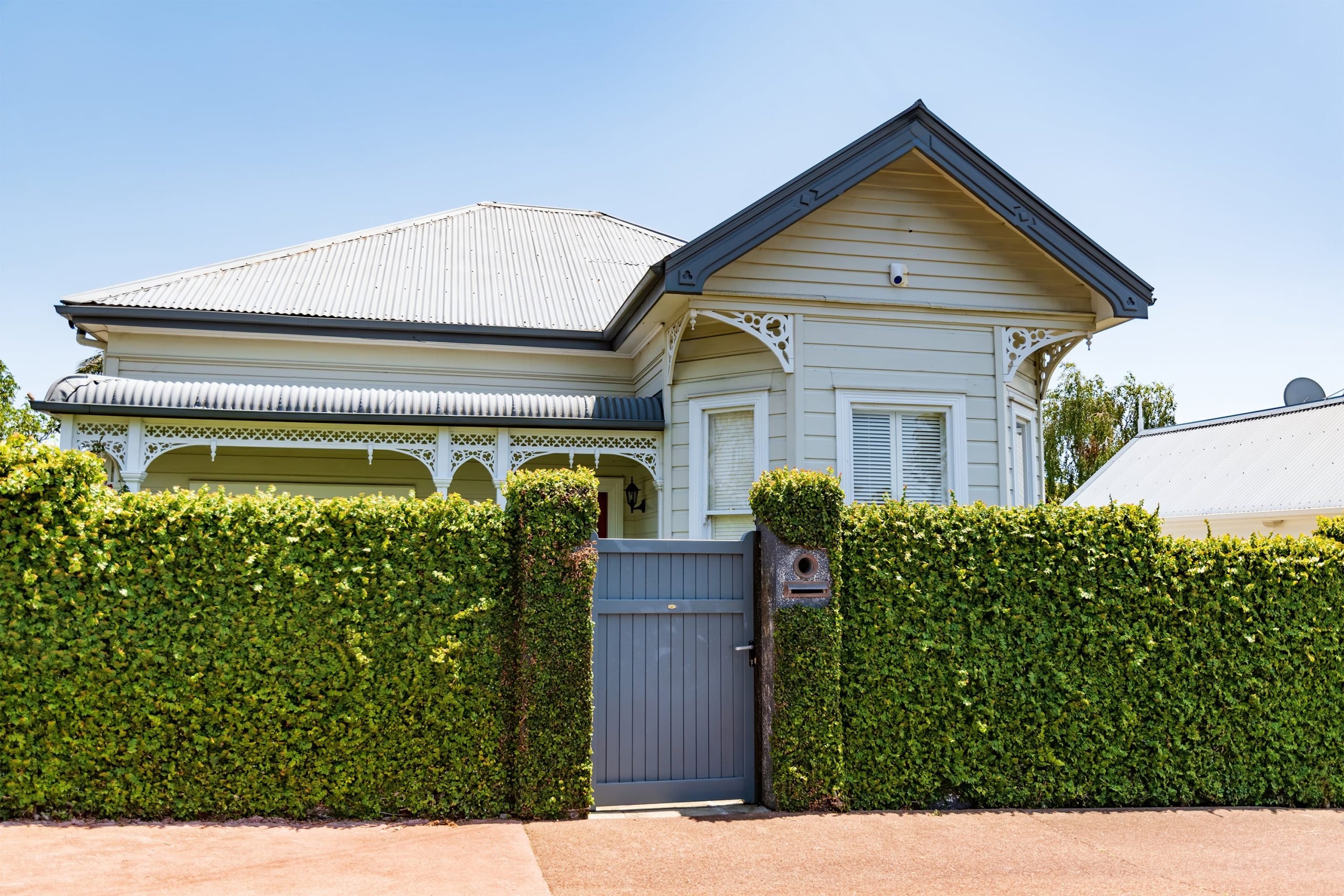
The weather – just one more way we’re unique in New Zealand
The reason roofs get such a hard time in Christchurch, and the wider mid-Canterbury area, is the dramatically extreme climate we ‘enjoy’. Nowhere else in New Zealand do we see such a big difference between the highest and lowest temperatures and such intense UV light combined with consistently strong winds and salty sea air that reaches up to 15 km from the coast. It certainly makes life interesting, but it is very tough on building materials that are exposed to the elements.
In this article, we’ll take a close look at how our weather can affect each type of roofing material, including yours!
The most common Christchurch roofing materials
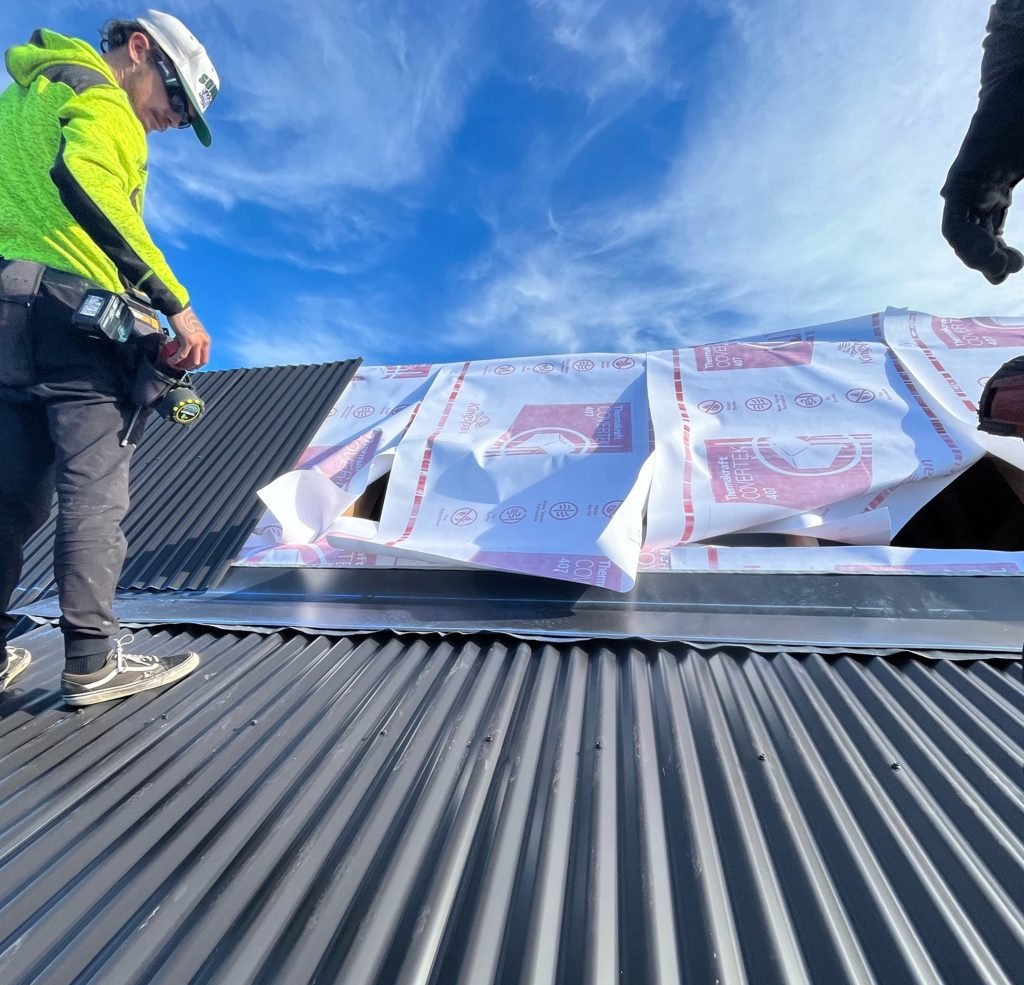
COLORSTEEL® (pre-painted long-run steel)
COLORSTEEL® was developed specifically for New Zealand conditions, and it’s by far the most common roofing material in Christchurch and Canterbury. But our radical climate still puts Colorsteel through its paces. Our wide temperature swings cause the sheets to expand and contract repeatedly, which, over time, weakens fastening points and creates micro-gaps at flashings. Wind tugs at fastenings, loosening them and eventually allowing rust to form and water to penetrate.
The coastal suburbs add yet another element to the weathering equation – salt-laden sea air is steel’s natural enemy. We recommend COLORSTEEL® Altimate, which uses a marine-grade aluminium substrate for severe marine environments like our eastern suburbs. But to be on the safe side, we still recommend frequent wash-downs to clear salt and debris, plus regular inspections of your flashings and fastenings.
Zincalume (Unpainted zinc/aluminium alloy on steel)
Zincalume is a steel substrate coated with a zinc and aluminium alloy with a natural silver finish. Zincalume has a longer service life than traditional galvanised coatings, and performs well on homes away from the coast. Near the coast, its bare metal surface can suffer from the cumulative effects of salt air and intense UV light. And although Zincalume’s metallic coating doesn’t fade the way paint can, it can develop surface oxidation. If it’s not too far gone, we might be able to refresh its appearance and extend its life by painting.
Zinc (pure zinc)
Pure zinc roofing is a premium, architectural-grade roofing material that’s seen on high-end new builds and renovations in Christchurch. Zinc is strongly corrosion-resistant, making it a great choice for houses near the beach. Zinc weathers from a lustrous shine to a matt-grey patina that actually heals minor scratches and becomes even stronger with time, making it one of the few roofing materials that genuinely improves with age and weather exposure rather than degrading. However, zinc should never be in direct contact with copper and certain other metals. Water runoff from copper flashings or pipes onto zinc panels will cause accelerated deterioration.
Concrete Tiles
Concrete tiles were massively popular in Christchurch from the 1960s to the 1990s. They get stronger with age, but they can be brittle and they’re prone to the buildup of moss and lichen, which cause cracking over time. Ridge and hip mortar is vulnerable to the winter freeze-thaw cycle, which causes gradual cracking and crumbling until the tiles shift or lift.
The other non-weather-related concern with concrete tiles is that the seismic loading on a heavy tile roof is considerable, so re-roofing with lightweight COLORSTEEL® has become a popular post-quake upgrade.
Clay terracotta tiles
Clay or terracotta tiles have been used in Christchurch for over a century. They have excellent durability, but they are more brittle than concrete and can crack under falling branches or foot traffic during maintenance. The mortar pointing at ridges, hips, and verges is vulnerable to freeze/thaw. It eventually cracks and loosens, allowing water and wind inside. It’s also likely that moss, lichen, or algae is growing, which can also degrade the weatherproofness of the roof. Colour-matched re-pointing and resealing is critical maintenance that’s ideally carried out every 10 to 15 years to stay ahead of weather-driven deterioration.
Membrane roofing (Butynol, TPO, Liquid-Applied)
Many flat and low-slope roofs in residential and commercial buildings across Christchurch have a membrane roofing system. Butynol is the most well-known. It’s a tough synthetic rubber waterproofing that’s resistant to degradation caused by heat, sunlight, and UV exposure, with excellent toughness and flexibility even at low temperatures. However, it can still have issues as it ages. Flat roofs are prone to pooling water and any weakness in joints or penetrations becomes a leak pathway. UV causes membranes to become brittle and crack as the plasticisers break down.
Slate
A small number of older Christchurch character villas and bungalows still have their original slate roofs. When it’s in good condition, slate is extremely weather-resistant because it doesn’t absorb moisture, won’t rot, and is impervious to UV. So it’s not actually the slate itself but the nails and fixings that hold it in place that are the issue. By now, the original iron nails will have completely corroded, causing slates to slip or fall. Strong wind accelerates and makes it worse. The priority is a regular roof inspection to identify and replace slipped or cracked slates before water gets in, along with re-fixing any loose slates with stainless steel.
Get a roof inspection, and we’ll get on top of your roof.
To book your roof inspection get in touch with us today – you never know, we might spot something that’s easy to fix now and could save you thousands in the long run.