Financially prudent reasons to reroof, and the best ways to pay for it
Thinking of reroofing as a ‘cost’ isn’t the right way of looking at it. Reroofing your home when the existing one has outlived its useful service life is actually a prudent financial decision. In most cases, it will increase the value of your home – as well as preventing more expensive repairs to the walls and interior of your property.
So let’s take a look at the reasons why reroofing can make good financial sense, and then we review the best ways to pay for it.
Nine astute reasons to invest in a new roof with DCM Roofing
1. Protect your home’s resale value
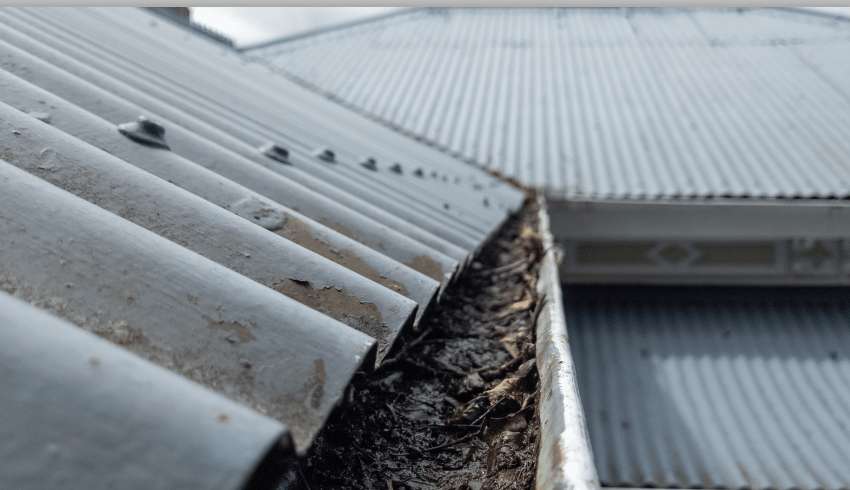
A roof that’s visibly in poor condition is one of the first things buyers notice when they set foot on a property, and it’s an immediate black mark against it. When your roof is in poor condition, it instantly reduces buyer confidence, which means increased time on the market and/or a decrease in the amount people are prepared to pay – which is often by a lot more than the cost to reroof the house would have been. A new roof reassures buyers that one of the home’s biggest maintenance items has already been taken care of – and that other things haven’t been neglected as well.

2. Prevent water damage
A leaking roof rarely damages just the roof, and under the roof is where the big problems happen. Water ingress can ruin your insulation, rot the internal timber framing, and damage your ceilings, flooring, electrical systems and interior finishes. Replacing a roof before major leaks develop is almost always significantly cheaper than repairing widespread water damage.

3. Reduce ongoing maintenance costs
Older roofs often require ongoing repairs. You’re constantly replacing screws, sealing leaks, fixing flashings and patching corrosion, and the cost can really start to add up – with no end in sight. A reroof by DCM Roofing will immediately eliminate most of these recurring expenses.

4. Improve energy efficiency
Combined with modern insulation and better ventilation, a new roof will help keep your home warmer in winter and cooler in summer, reducing your heating and cooling costs.

5. Avoid emergency repair costs
Roof emergencies never happen at a convenient time. It’s always during storms when emergency call-out rates are literally ‘through the roof.’ Replacing your ageing roof before it fails gives you control over the timing and the cost.

6. Simplify insurance claims
If your roof is part of a claim, insurers will take its condition into account when evaluating your claim, especially if water damage has occurred. When you have a new roof in good condition that will reduce the likelihood of a dispute with your insurer following storm damage.
7. Protect your property investment
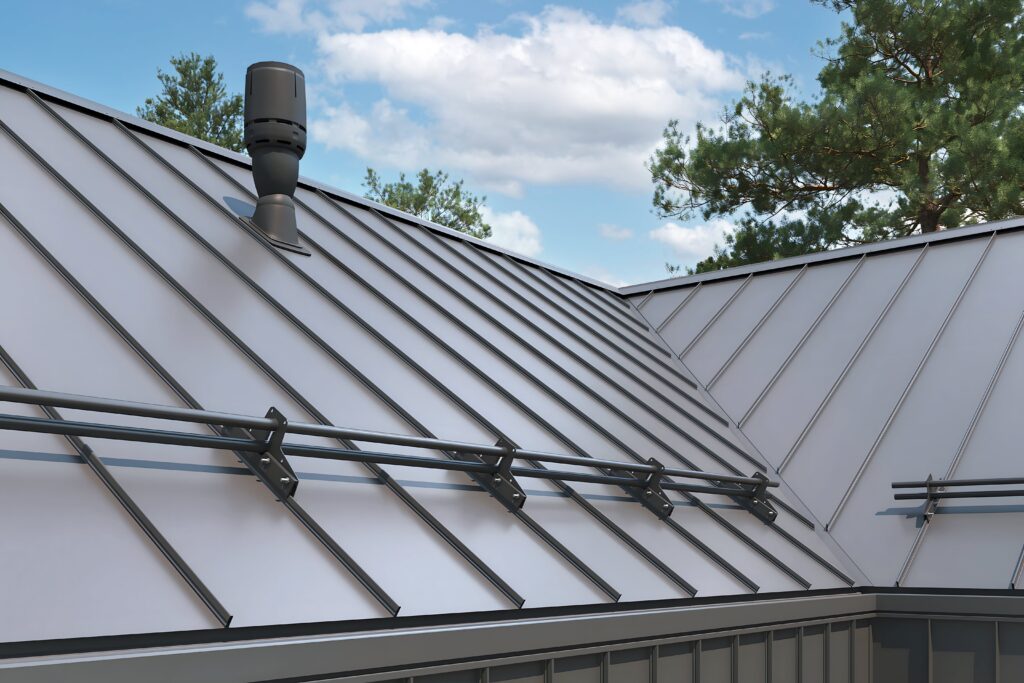
A leaky roof is just a nasty big can of worms if you own a rental property. Roof leaks can result in tenant complaints, costly emergency repairs, vacancies, and Healthy Home compliance issues. A reroof helps protect your rental income while reducing your maintenance costs.
8. Future-proof your home
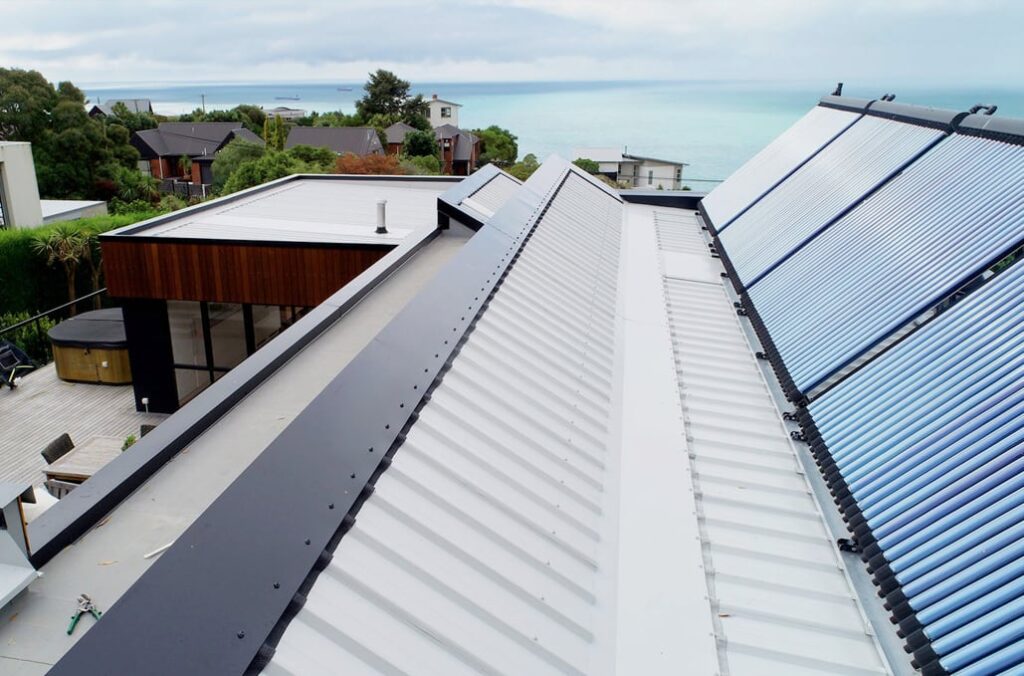
Modern roofing systems are designed to withstand Canterbury’s extreme weather. We have high UV exposure, heavy rainfall, corrosive coastal salt air, and high winds.
9. Easier budgeting
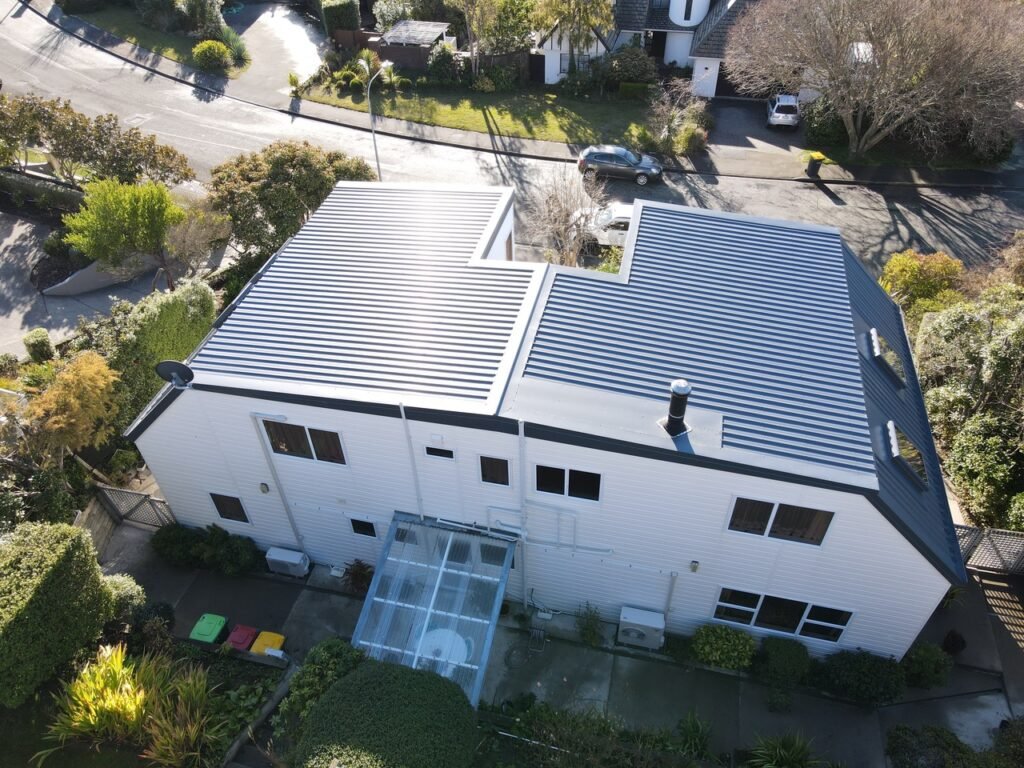
A planned reroof allows you to get quotes and organise your finance before it becomes urgent – and hence more expensive. That doesn’t just apply to roofs – planned property maintenance is almost always a lot more economical than fixes in emergencies.
Five ways to finance your new roof
If you haven’t saved up the money, don’t worry, you could still be able to pay for your new roof – and in some cases, using savings might not make the most sense financially. All major New Zealand banks have a choice of sensible options for funding significant home improvements, including a reroof.
1. Home loan top-up
If you already have equity in your home, increasing your existing mortgage is usually the lowest-cost way to finance a reroof. Mortgage interest rates are typically much lower than personal loan rates, and repayments can be spread over many years.
2. Refinancing your mortgage
If your mortgage is coming up for renewal, refinancing can allow you to incorporate reroofing costs into a new loan while potentially securing a more competitive interest rate.
3. Home equity loan
Homeowners with substantial equity may be able to borrow against that equity specifically for renovations or major maintenance projects. This is often a good way to go for large reroofing projects.
4. Revolving credit or flexible home loan
Most banks have the option of a revolving credit facility that lets you draw down the amount required. Interest is charged only on the funds actually used.
5. Low interest loans
If your reroof project includes making energy-efficiency improvements to your property, like upgrading the insulation or improving ventilation, you might be eligible for a low-interest ‘green loan’ or a renovation loan at your bank.
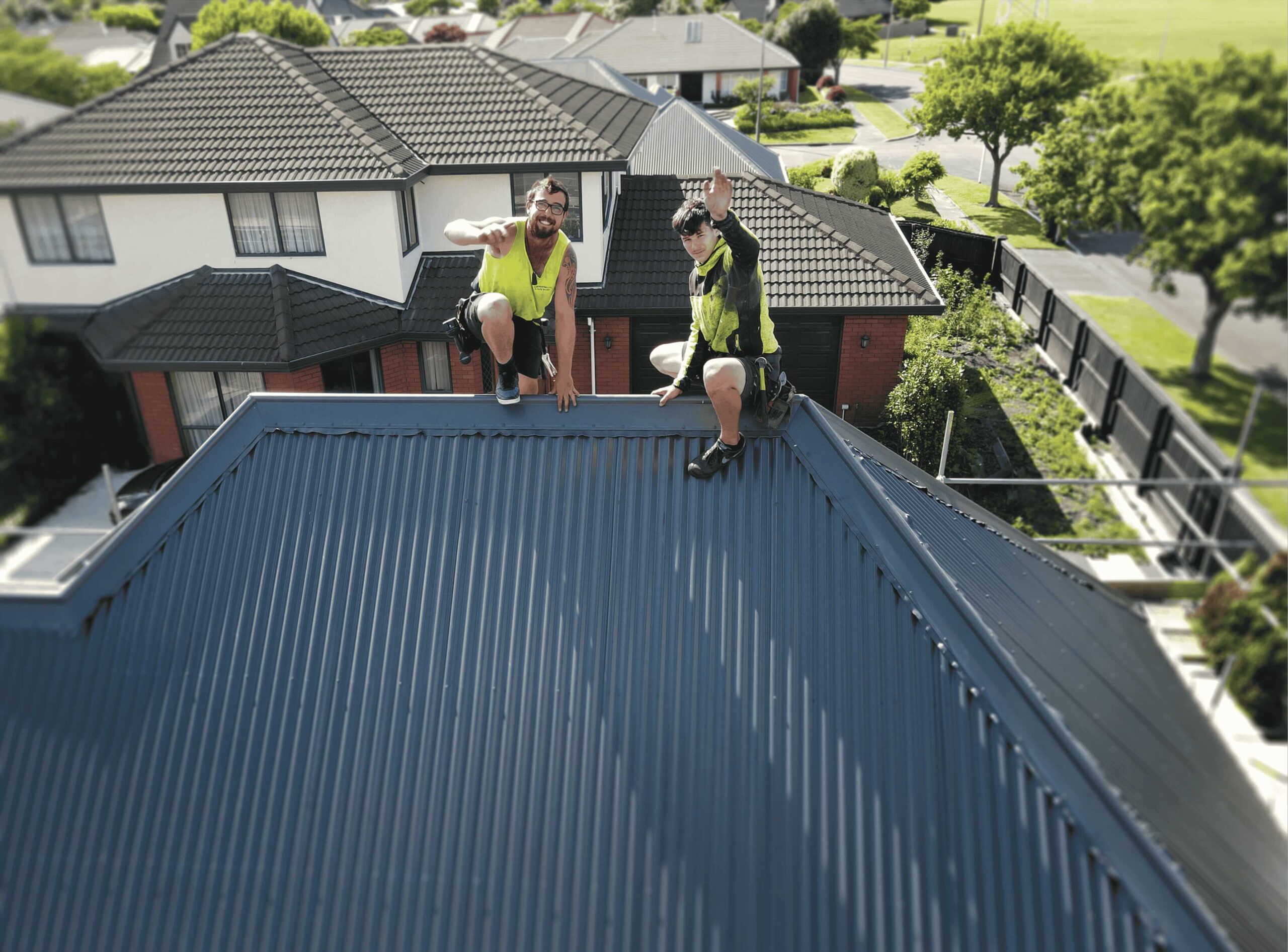
We’ll get on top of your reroofing project
To find out about your reroofing options, get in touch with us today – investing in a new roof now could save you thousands in the long run.