Has your roof reached retirement age?
Like everything, your roof has a service life. With the average Christchurch home being a shade over 60 years old, we expect that a lot of roofs have seen better days. But the use-by date of your roof depends on several things – what it’s made from, its pitch, how much maintenance it’s had, and the location.
So let’s take a look at the common roofing materials we encounter on a daily basis at DCM Roofing and see how they stand up to the years.
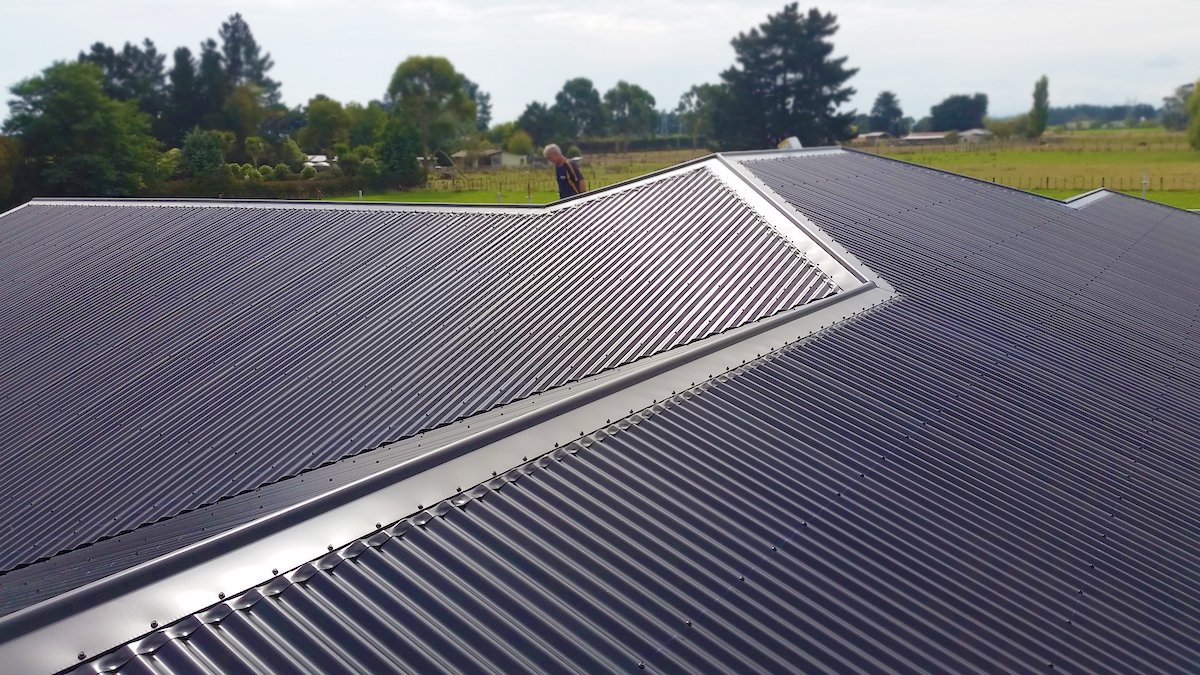
Long-run steel roofing
If you have a well-installed and maintained modern steel roof, you can look forward to around 40 to 60 years of reliable service – maybe even longer in favourable weather conditions and with plenty of TLC. For the longest service life, regular checks are super important, particularly around the fixings, flashings, gutters and areas where leaves, dirt or moisture like to build up and do mischief. And a drive around New Brighton will show you that steel roofs in particular get a real hammering from the salty sea spray that douses the coastal suburbs of Christchurch.
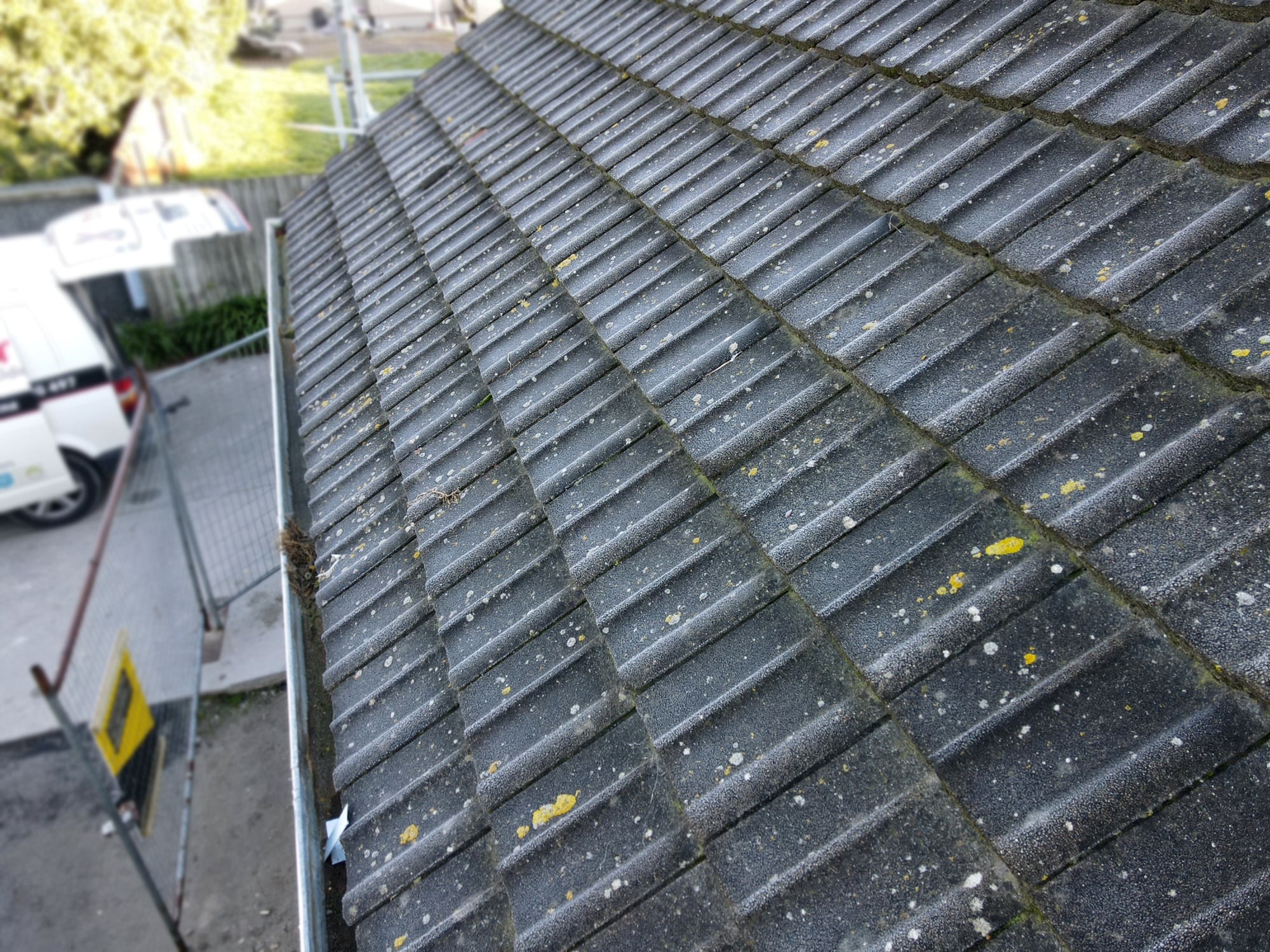
Concrete roof tiles
Concrete tiles generally seem to have a service life of around 30 to 50 years, or maybe a bit more when they’ve been properly maintained – which means professional moss and lichen treatments every two or three years, and maybe painting as well. The tiles themselves can be extremely durable, but older roofs often have a few cracked or broken tiles and deteriorating pointing. If the moisture gets in, there can also be serious problems hiding underneath that can only be revealed by getting a professional roof inspection.
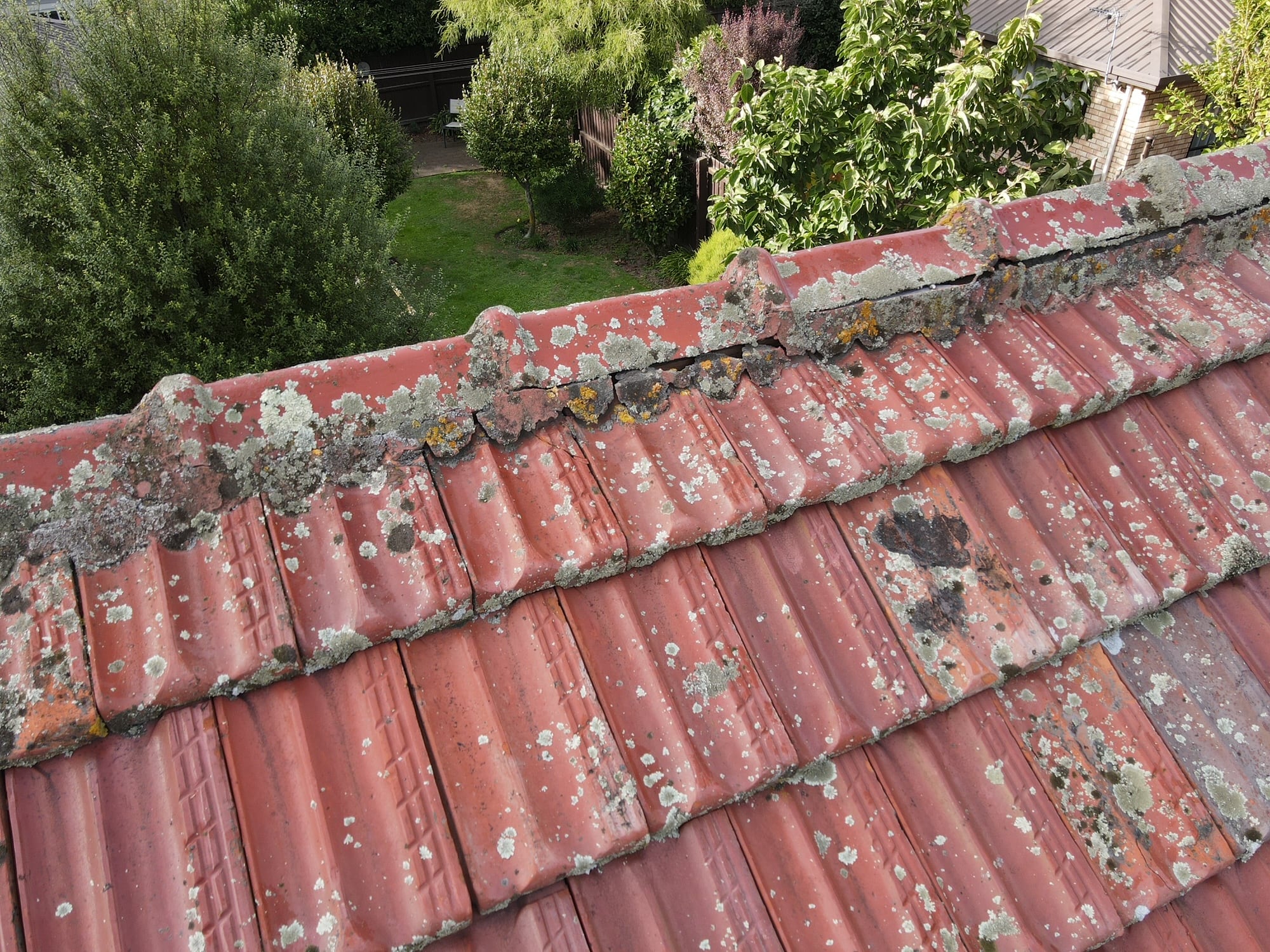
Clay tiles
A quality clay tile roof can also have an extremely long service life, far beyond 50 years with diligent maintenance. However, like concrete tiles, individual clay tiles can crack or become damaged, and the condition of flashings, fixings and underlay still needs to be checked.
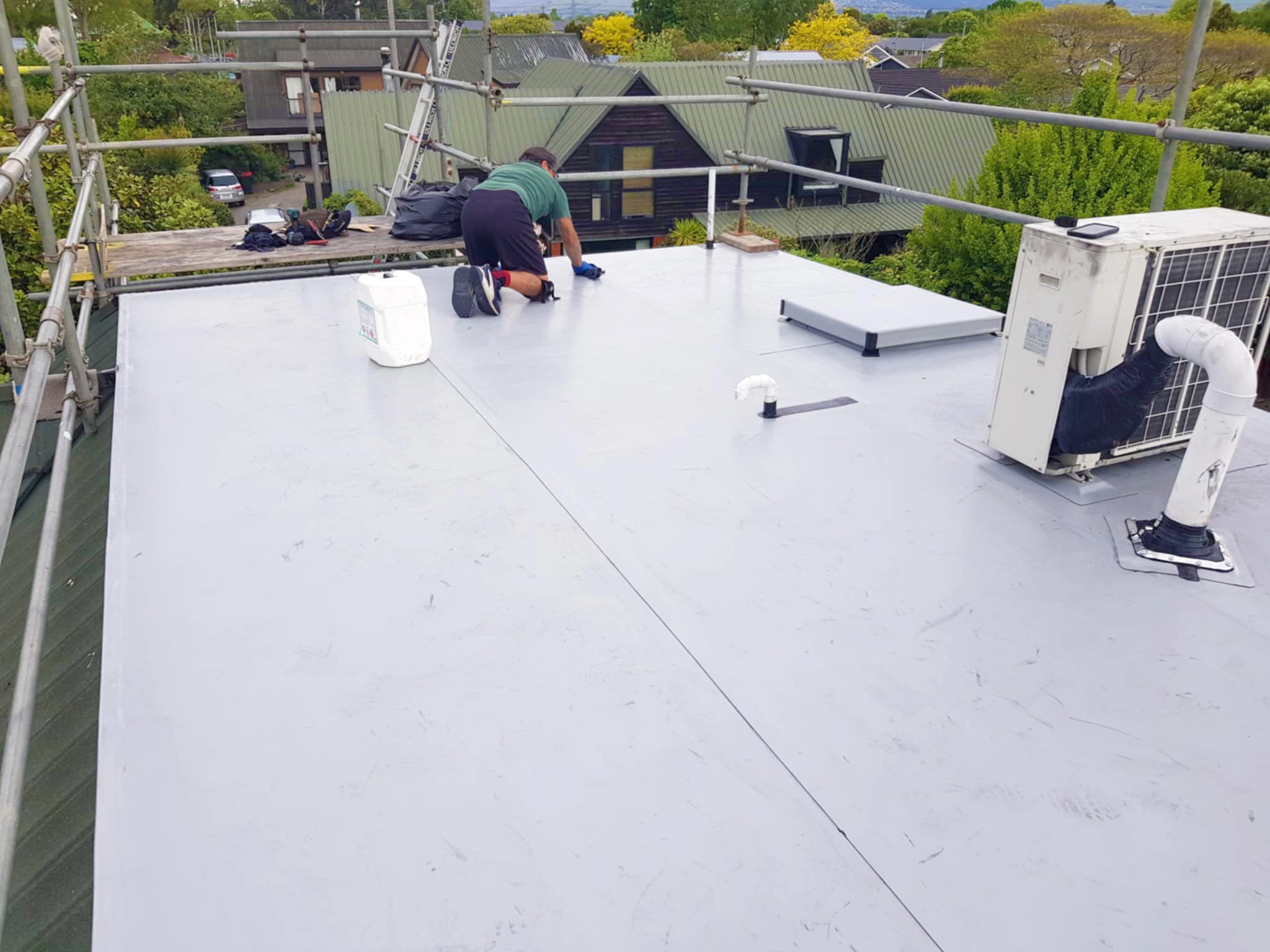
Membrane roofing
Rubber membrane systems are a bit of a problem child in terms of service life compared to the other roofing materials. Membranes are commonly used on flat and low-pitched roofs, and generally have a shorter lifespan than steel or tile due to their vulnerability to degrading due to exposure to our intense UV light. Depending on the particular membrane system you have, the quality of the installation, and the amount of maintenance, you can probably only realistically expect it to work well for 20 to 30 years.
The early warning signs that your roof is ready to retire.
You don’t need to wait until water starts pouring through the ceiling to give your roof a performance review.
If you have steel roofing, look for fading or deteriorating coatings, surface rust, corrosion around fixings and sheet edges, loose fasteners and damaged flashings.
If you have a tile roof, warning signs include cracked, chipped, loose or missing tiles, deteriorating mortar and widespread moss or lichen growth.
Inside your house, the unmistakable giveaways are water stains, damp patches, mould, musty smells and signs of moisture in the roof cavity.
However, an ageing roof doesn’t automatically need to be replaced. If the problems are confined to a small area and the rest of the roof is sound, repairs or maintenance might extend its service life considerably. But if you have a recurring leak that refuses to be fixed, that’s a strong signal that piecemeal repairs are no longer addressing the underlying problem and your roof is ready to be retired.


Decision time. Do you repair, restore or replace?
If you’re repeatedly repairing leaks, corrosion is appearing in multiple areas, plenty of tiles are becoming brittle, or the roof is approaching the end of its expected lifespan, replacement could make much better financial sense than continuing to patch it.
The best approach is to act before a catastrophic failure occurs – and with roofs they always fail at the worst possible time. If your roof is getting towards the end of its life, call us to arrange a professional inspection. Understanding its condition now is a lot better than discovering you need a new roof in the middle of the next howling Southerly polar blast or gale-force Norwester.