Has winter damaged your roof or flue? Get it checked before it gets worse.
Courtesy of El Niño, we’ve just been through one of the coldest, wettest, and windiest winters Canterbury has experienced for a while. This winter’s long period of very low temperatures, plenty of rain, and frequent high winds have damaged many roofs and flues. But unless you get up there and take a close look, it can be difficult to see where the problems are.
And unless you have all the right safety gear and procedures, getting up on your roof definitely isn’t recommended. But that’s where we come in. At DCM Roofing, we’re experts in roof inspections and spotting and repairing winter damage before it goes any further and becomes more costly to fix.
What can happen to your roof and flues over winter?
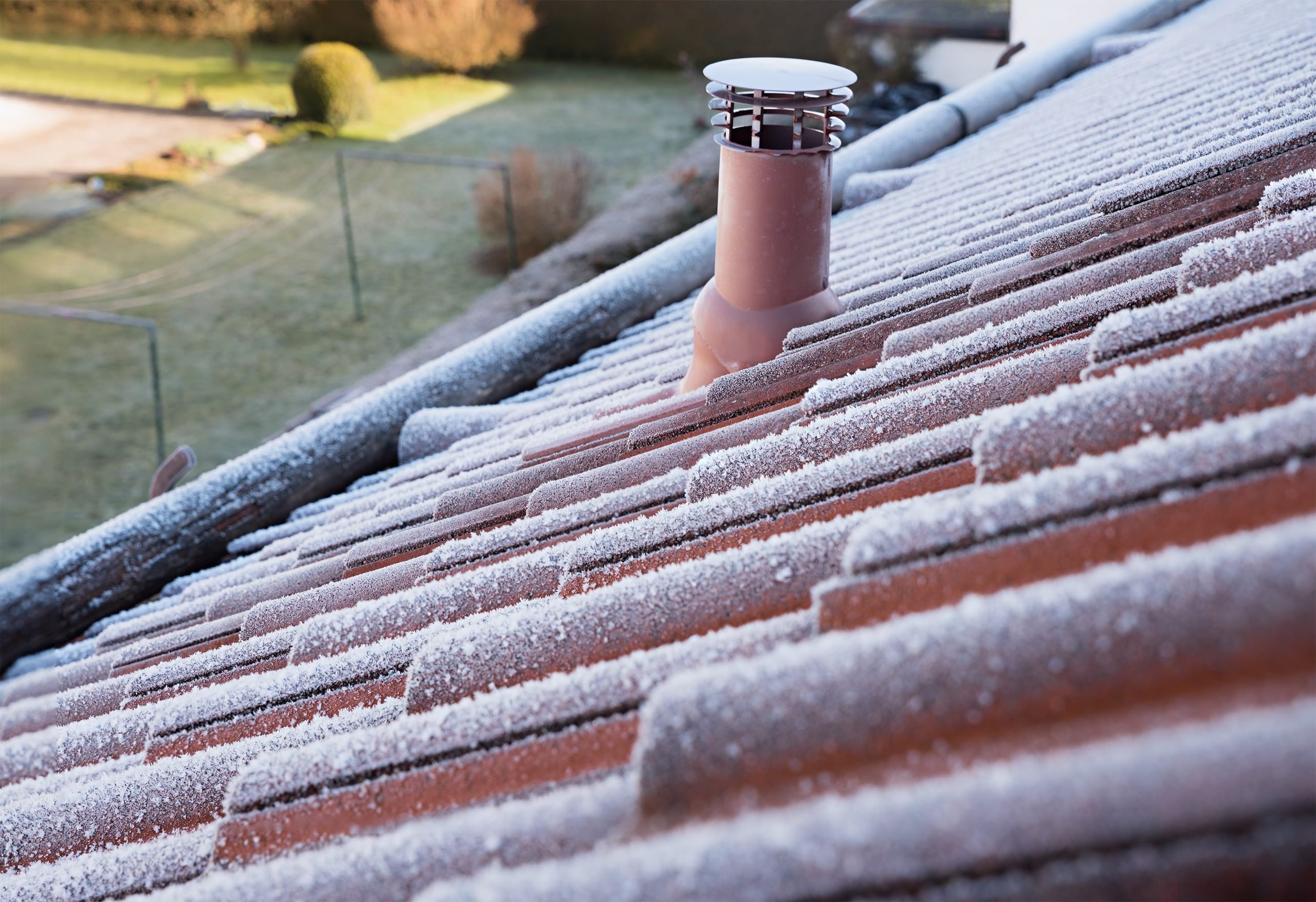
Cold weather damage
The older your roof is, the more vulnerable it will be to the cumulative effect of cold weather damage. Freezing temperatures can be very hard on your roof, particularly if it’s an older roof like the majority of the ones we have in Christchurch. Along with the roofing material itself – which is often concrete or Decramastic tiles that are naturally very prone to long-term weather damage- your flashings, sealants, and chimney or flue penetrations can get a hammering. The cycle of freezing and thawing can gradually widen small cracks and loosen your roofing, and worsen existing damage. When we get a warm norwester after a cold snap or vice versa, there’s a large temperature contrast in just a few hours. Roofing materials rapidly expand or contract, which puts a lot of stress on joints, fixings and sealants. And if there’s damage around flues and chimneys, you’ll have a perfect pathway for water to enter your house.

Rain damage
Winter rain does a great job of exposing problems with your roof that you might not notice at drier times of the year. Damaged or deteriorating roofing materials, loose flashing, old sealant, and degrading penetrations around chimneys, vents, and flues can all let water into the roof cavity. Wind-driven rain can force water upwards into small gaps that normally handle ordinary rain. However, once it gets in, when moisture gets inside the roof cavity, your troubles really start to multiply. Water ingress can soak your insulation, stain ceilings, encourage mould, and lead to rotting timber and interior linings.
Blocked gutters and downpipes can compound your problems even more by letting water overflow or back up against your roof and exterior walls. Spill-over from gutters can also undermine your foundations.
High wind damage
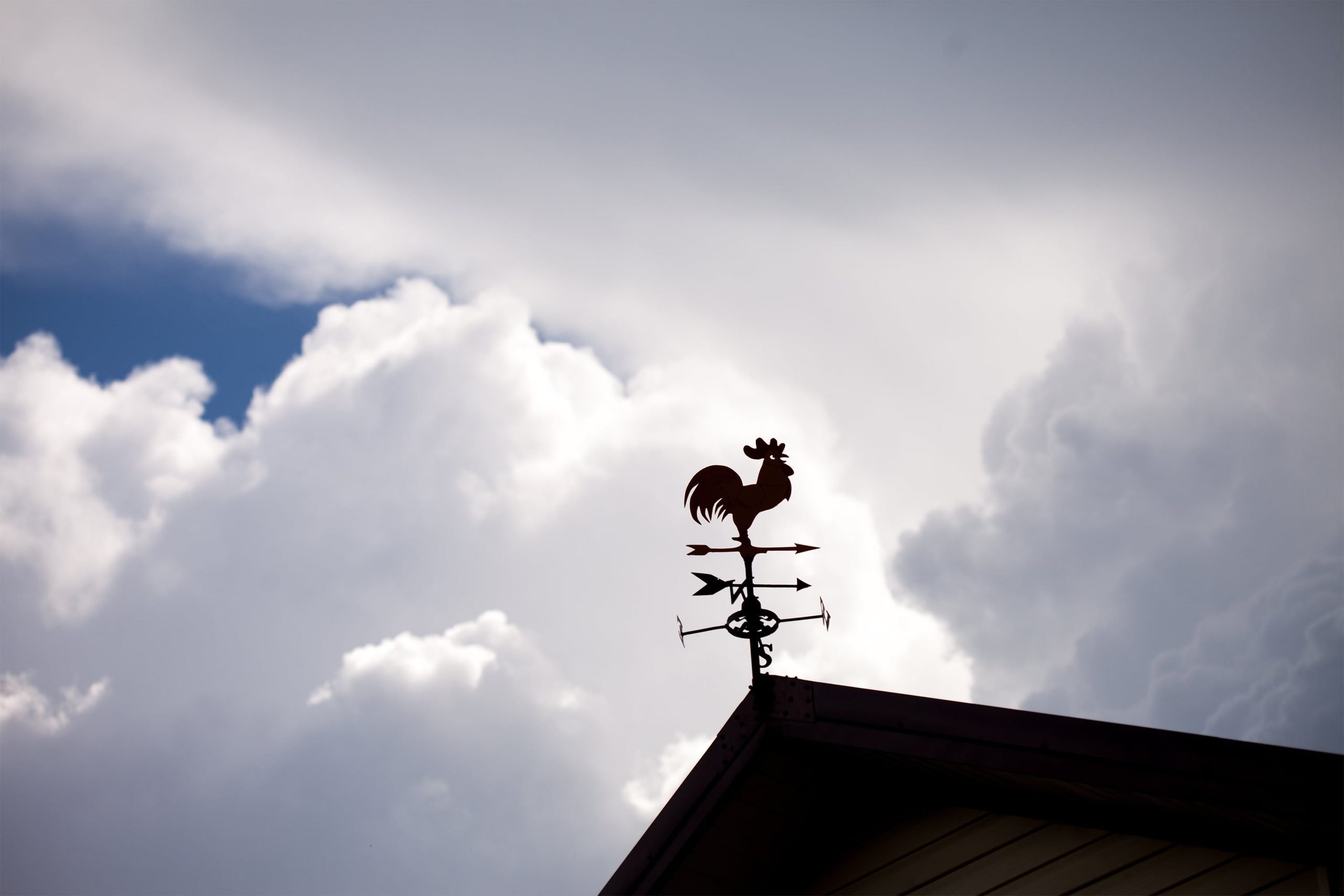
Canterbury’s strong winds can place a lot of stress on roofing materials, particularly older roofs and ones that have deteriorating fixings or flashings. Wind can lift roofing sheets and tiles, and the negative pressure from fast airflow created around the edge of the roof can exert powerful upward forces – that’s what usually makes roofs fly off in storms.
Repeated high-wind events like we get every winter in Christchurch can loosen fixings and create small openings for rain to get inside. Flashings around chimneys, skylights, vents and flues are especially important to check because they are potential weak points. Falling branches and wind-blown debris can also damage your roof.
After any significant wind event, a roof inspection that identifies loose material, damaged flashings or other problems before the next period of heavy rain makes them worse is good insurance.
Get it checked before damage takes hold
If you’re concerned your roof might be damaged, a professional inspection could save you in the long run. Get in touch with us today to learn more.